How to Replace Trailer Wheel Bearings: A Step-by-Step Guide for Gippsland Trailer Owners
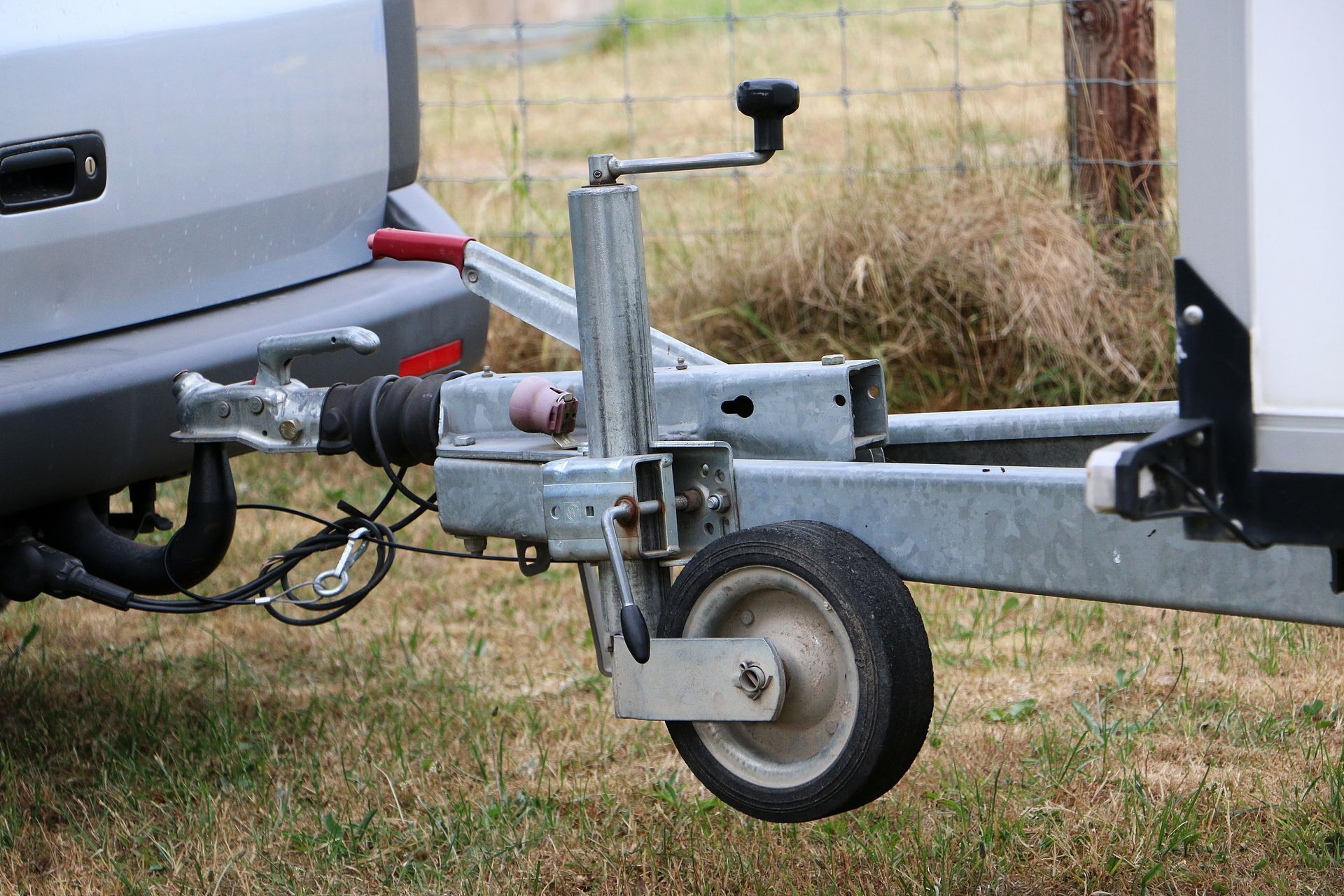
Replacing trailer wheel bearings is a critical maintenance skill every East Gippsland trailer owner should understand. Whether you haul equipment across the Mitchell River valley, run stock between Bairnsdale and Bruthen, or tow a boat trailer down to Lake King, worn wheel bearings can leave you stranded on a rural road. Getting ahead of this job saves money, time, and the stress of a roadside breakdown.
Why Wheel Bearings Fail Sooner in East Gippsland
Gippsland conditions push trailer wheel bearings harder than most. Unsealed farm tracks around Lindenow and Sarsfield, water crossings, boat ramp use along the Gippsland Lakes, and long runs on the Princes Highway all accelerate wear. When contaminated grease breaks down, metal-on-metal contact begins and failure follows fast.
East Gippsland trailer owners should inspect bearings at least once every 12 months, or more often if the trailer sees heavy use, frequent water immersion, or long-distance towing.
Tools and Trailer Spare Parts You Will Need
Gather everything before you start. Here is what to have on hand:
▸ A floor jack and axle stands rated for the trailer's weight.
▸ A bearing puller or flat-head screwdriver and hammer.
▸ Clean rags and a parts-washing brush.
▸ A grease gun or bearing packing tool.
▸ A torque wrench and rubber mallet.
▸ New inner and outer bearings (matched pair).
▸ A new hub seal and cotter pin for each side.
▸ High-quality bearing grease rated for your application.
An NLGI Grade 2 lithium-complex grease suits most Australian road trailers. For trailers regularly submerged at boat ramps, a marine-grade water-resistant grease offers better protection.
Sourcing trailer spare parts locally in Bairnsdale means you get the correct bearing kit the same day rather than waiting on delivery.
Step-by-Step Wheel Bearing Replacement
Step 1 - Safely Raise and Support the Trailer
Park on a firm, level surface. Chock the opposite wheel, jack up the side you are working on, and place axle stands under the axle tube. Never rely on the jack alone.
Step 2 - Remove the Wheel and Hub
Remove the wheel nuts and pull the wheel clear. Pry off the dust cap, remove the cotter pin, and unscrew the castle nut. Slide the outer bearing off the spindle and pull the hub straight off. Remove the inner bearing and hub seal from the rear of the hub. Tap out old bearing races with a punch if worn or damaged.
Step 3 - Clean and Inspect All Components
Wipe the spindle and hub bore completely clean. Inspect the spindle for scoring, rust, or pitting. Minor surface rust can be cleaned with fine emery cloth, but a deeply scored spindle needs professional attention before reassembly.
Step 4 - Install New Bearing Races
Press or tap new races squarely into the hub using a race driver or matching socket. The race must sit fully flush. An improperly seated race will destroy a new bearing quickly.
Step 5 - Pack the New Bearings With Grease
Work grease thoroughly into the bearing rollers by hand or with a bearing packer. The grease must fully penetrate between every roller. Place a generous dab of grease inside the hub cavity between the inner and outer bearing positions.
Step 6 - Reassemble the Hub
Press a new hub seal squarely into the rear of the hub. Install the inner bearing, then slide the hub onto the spindle. Fit the outer bearing, washer, and castle nut. Tighten while rotating the hub until light drag is felt, then back off until the nearest cotter pin hole aligns. Insert a new cotter pin, bend the ends over, and fit the dust cap and wheel.
Step 7 - Check and Test
Lower the trailer off the stands and spin the wheel by hand, listening for roughness. Tow a short distance, then check hub temperature. A warm hub is normal; a hub too hot to touch indicates an over-tightened nut or insufficient grease.
Signs That Trailer Bearings Need Replacing
Common indicators include a grinding or rumbling noise that changes with speed, a wobbling wheel, a burning smell after towing, or a hub that is abnormally hot after a short run. Catching these signs early is safer and less expensive than a seized bearing on the road. Keeping trailer spare parts such as bearing kits, hub seals, and cotter pins on hand means you can act immediately.
If you feel uncertain at any stage, have a qualified trailer mechanic inspect or carry out the replacement.
Get the Right Parts and Support for Your Gippsland Trailer
A1 Trailers stocks a wide range of trailer spare parts in Bairnsdale, VIC, including bearing kits, hub seals, grease, and hardware for single-axle, tandem, plant, and stock trailers.
Call (03) 5153 2200 Monday to Friday, 8:00 am to 4:30 pm, or visit our trailer parts and accessories page to see the range. You can also get in touch online to ask about specific bearing kits or book a service. Find us and read customer reviews at A1 Trailers on Google Maps.
How Often Should I Repack Trailer Wheel Bearings?
Most trailer manufacturers recommend repacking every 12 months or 20,000 kilometers, whichever comes first. Trailers frequently submerged at boat ramps may need repacking more often, as water washes grease out faster than normal road use.
Can I Reuse Old Trailer Wheel Bearings?
Old bearings can be reused if they show no pitting, discoloration, roughness, or play. However, if a bearing has run dry, shows visible damage, or is part of a routine service after several years, fitting new trailer spare parts is the safer long-term choice.
What Happens if I Over-Tighten the Castle Nut?
Over-tightening places excessive preload on the bearing, causing rapid heat buildup and premature failure. Tighten to create light drag, then back off just enough to align the cotter pin hole. Follow the trailer manufacturer's torque specification where available.